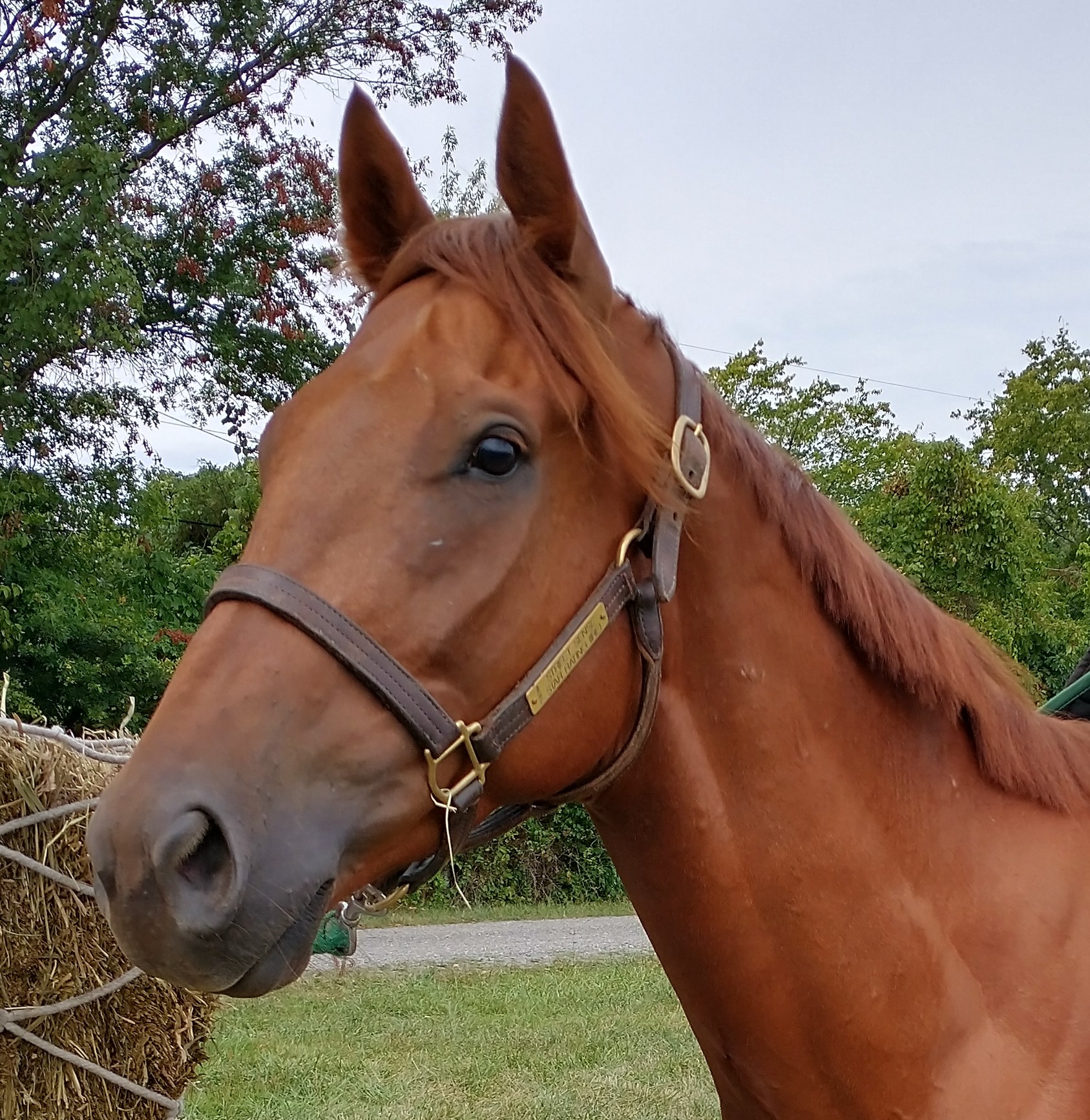
“No foot no horse” ~ unknown -This quote explains why everyone involved in horse management should understand the principles of correct foot balance and the repercussions of good, bad, and indifferent shoeing. Studies show that up to 95 percent of all horses have some form of foot imbalance which will predispose them to injury. Common problems that can be attributed to faulty foot balance include bad backs; bruised heels; hoof cracks; shortened stride/stumbling; arthritis; navicular disease/syndrome; chip fractures; sheared heels; and degenerative diseases. A skilled farrier can give a horse with less-than-perfect conformation the best chance to stay sound, and a farrier paying attention to foot balance, can maintain and even enhance performance.
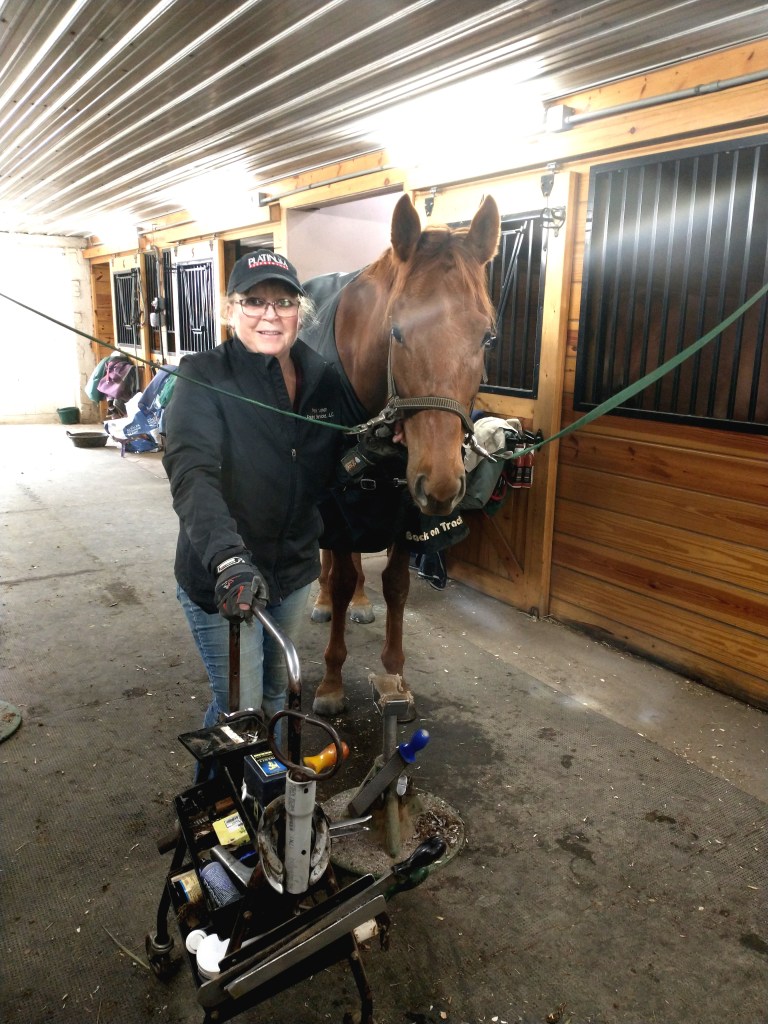
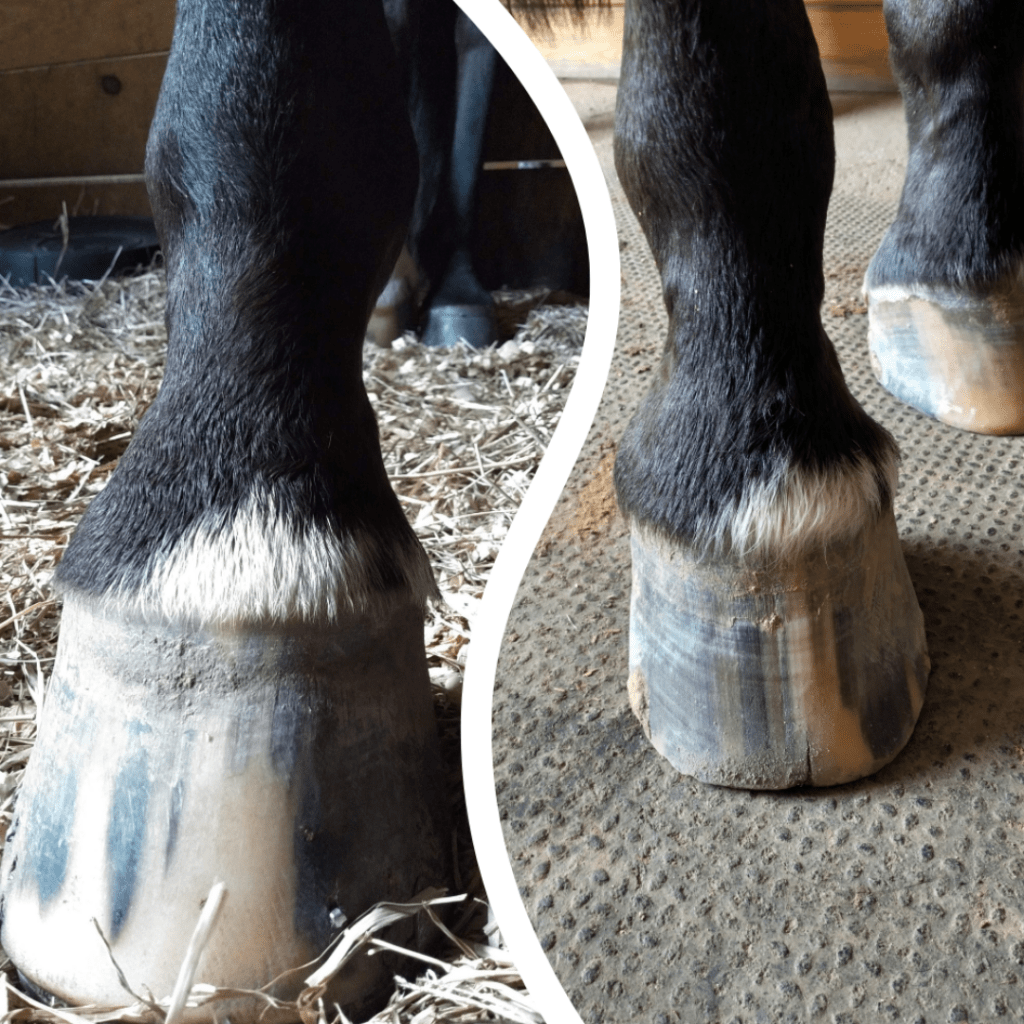
Keeping this in mind finding that perfect “check all the boxes ” farrier can be challenging. Having a horse with difficult foot conformation will put you and your farrier to the test. I was running out of options for a horse with challenging foot conformation, when a trainer that I respect recommended Patty Lynch and asked her if she could take a look. Patty’s do whatever it takes attitude was refreshing and her dedication to problem-solving was incredible. She gave Brec everything she had and more, enabling him to do way more than I thought possible right up until an unexpected pasture accident took him from me.
Before After
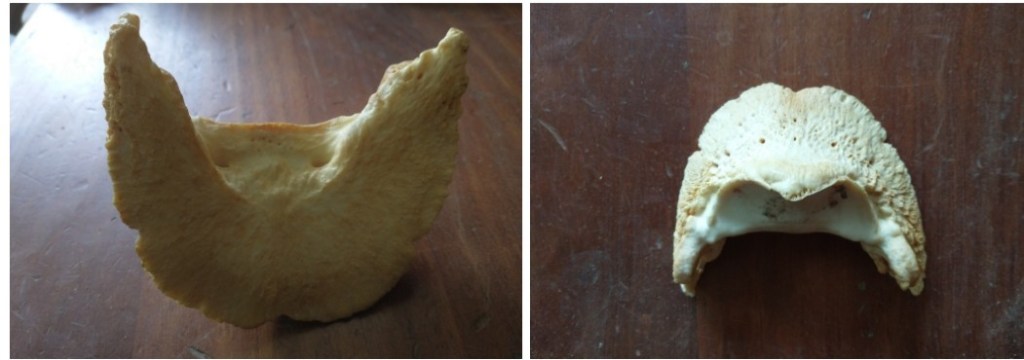
A similar situation inspired Patty to become a farrier. She had a bad farrier experience with her Thoroughbred and was looking for alternatives. This horse was offset into the hoof capsule. One wing of the coffin bone was very wide, and the other was very narrow. Her farrier said he could fix this problem with a special shoe, which didn’t seem possible. She questioned, ” how can you fix your horse’s whole cannon bone with a shoe?” The true cause of his issue wasn’t revealed until after he passed away. His leg was harvested, and it was found that his entire Coffin bone was asymmetric. As Patty started learning about natural horseshoeing and trimming, she realized her horse’s bad feet were just a reflection of the shape of his bone. Patty still uses his leg when giving farrier demonstrations discussing the conformation of the equine leg and foot.
Patty took a lot of clinics with Dr. Strasser and others, and she did a lot of research on her own because she didn’t feel like there was one right way for every horse. It took a couple of years for Patty to jump into being a farrier full-time, but now she has a very full practice.
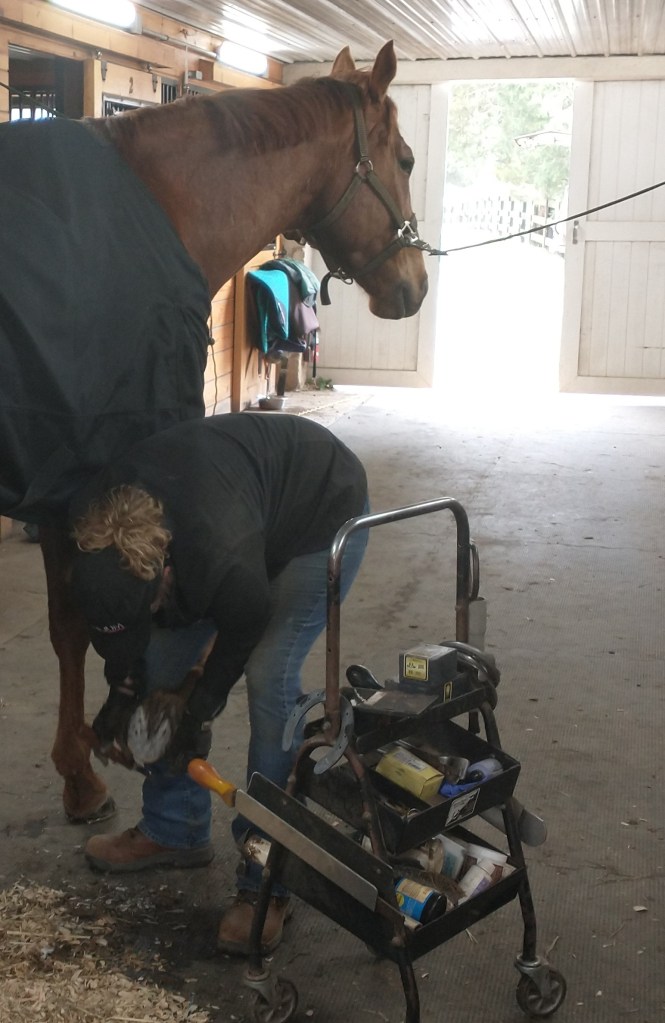
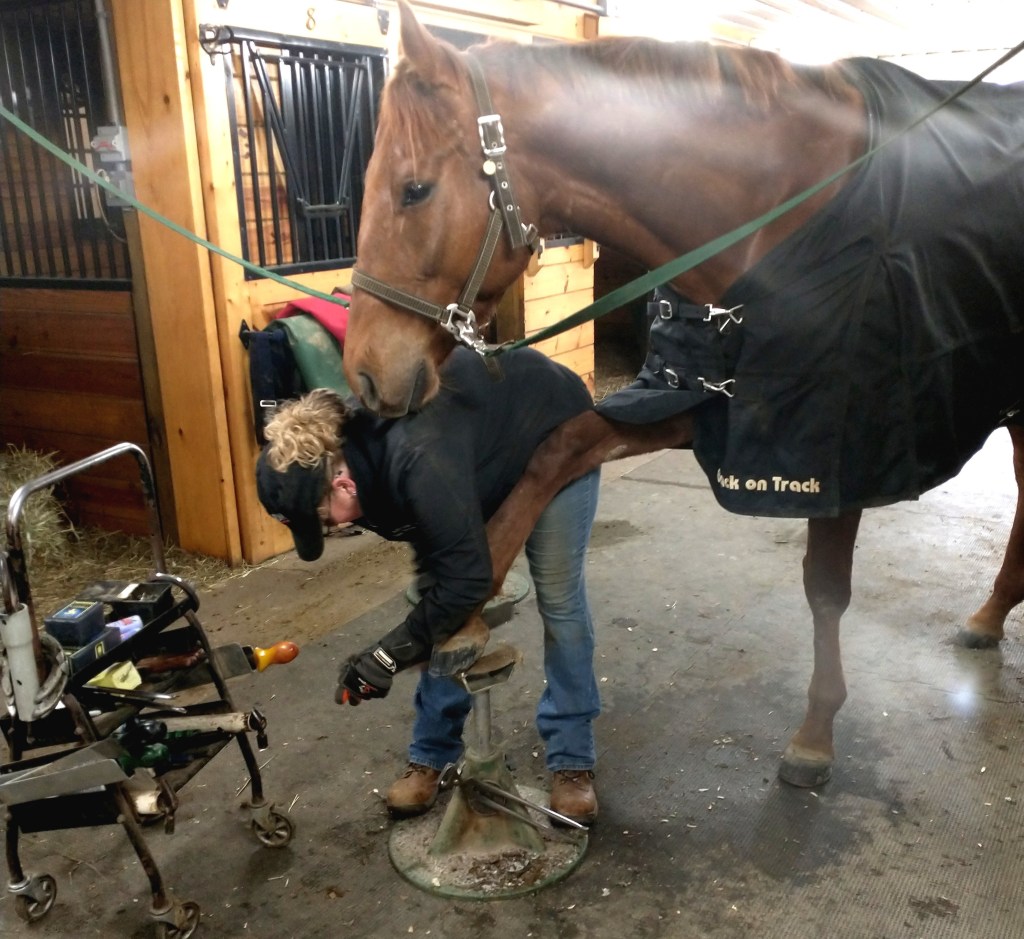
Only 10% of farriers are female. Patty, who was named Maryland’s #1 barefoot farrier, has learned to let her work speak for itself. For Patty, it’s about what’s best for the individual horse, not necessarily about having shoes or no shoes. Patty’s slogan is “Barefoot, when possible, shoes when necessary.” Patty recognizes that horses aren’t always 100% comfortable barefoot, even if they’re not outright lame. That is where her dedication to finding the right shoe for each individual horse and their performance needs comes into play.
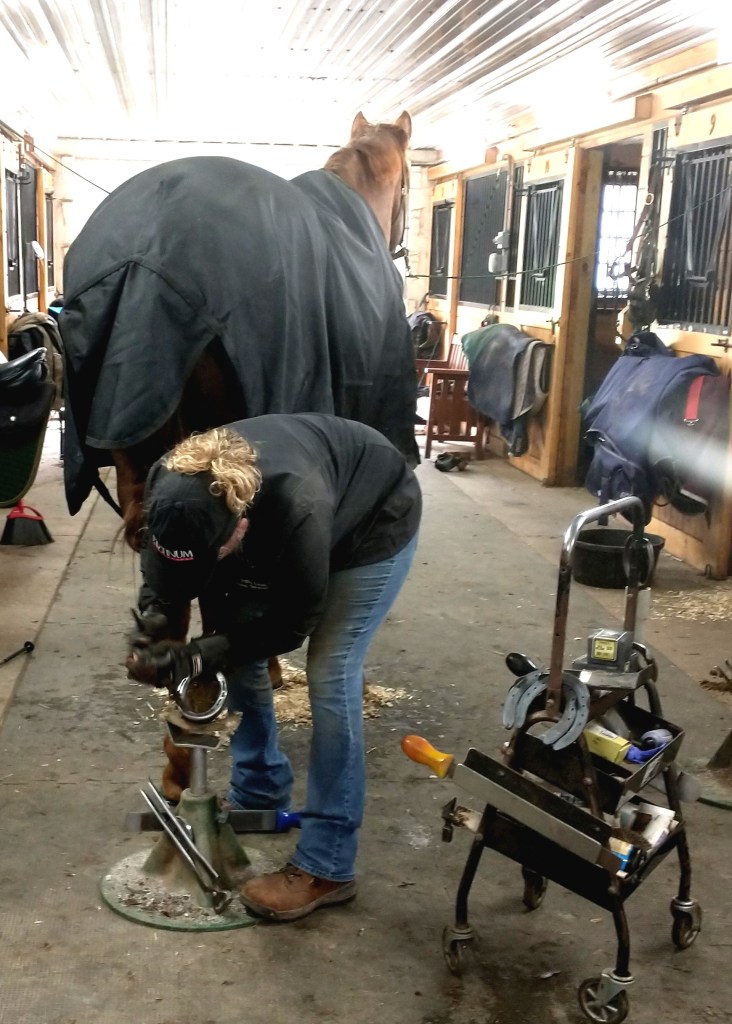
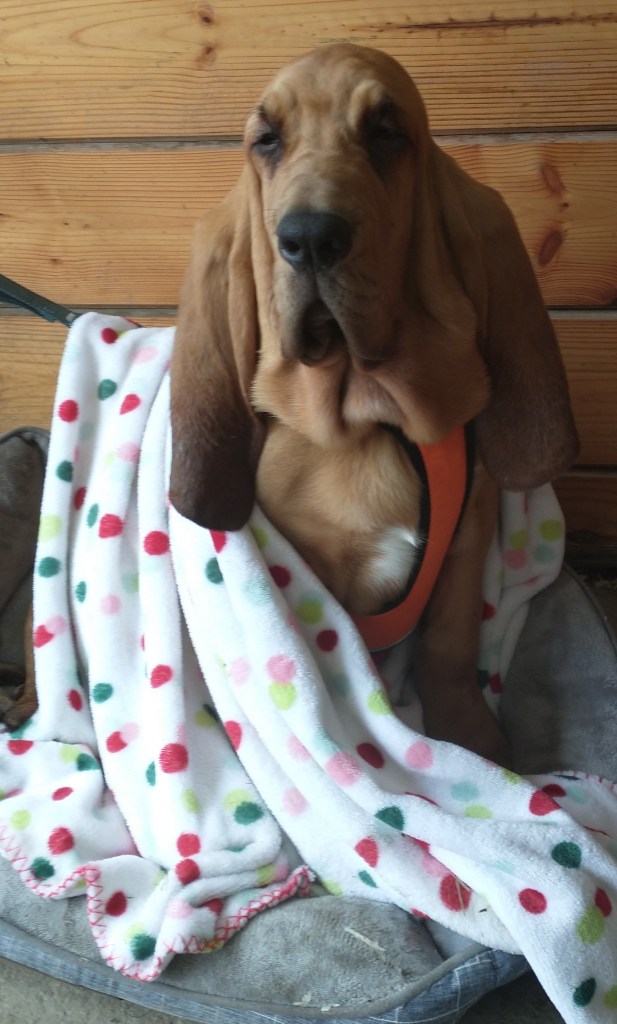
There are a lot of factors out of your control when you’re a farrier–the horse’s feed, exercise regimen, turnout situation – and all of that can affect the hoof. Being a farrier is definitely a demanding job physically and in terms of the hours. As if that isn’t enough Patty also enjoys breeding and training Bloodhounds. fortunately for her clients, Patty will often bring a puppy along for the ride and for some socialization. If you like Bloodhounds check out Mason Dixon Bloodhounds on Facebook.

Unfortunately, Mac had thin soles and walls and was a bit footsore when he left his track farrier, which is not uncommon. Patty encouraged pulling his shoes while he was letting down and gluing shoes for a couple of months to build the integrity of the soles and walls before nailing to avoid a shoe pulling cycle that compromises the foot even more.
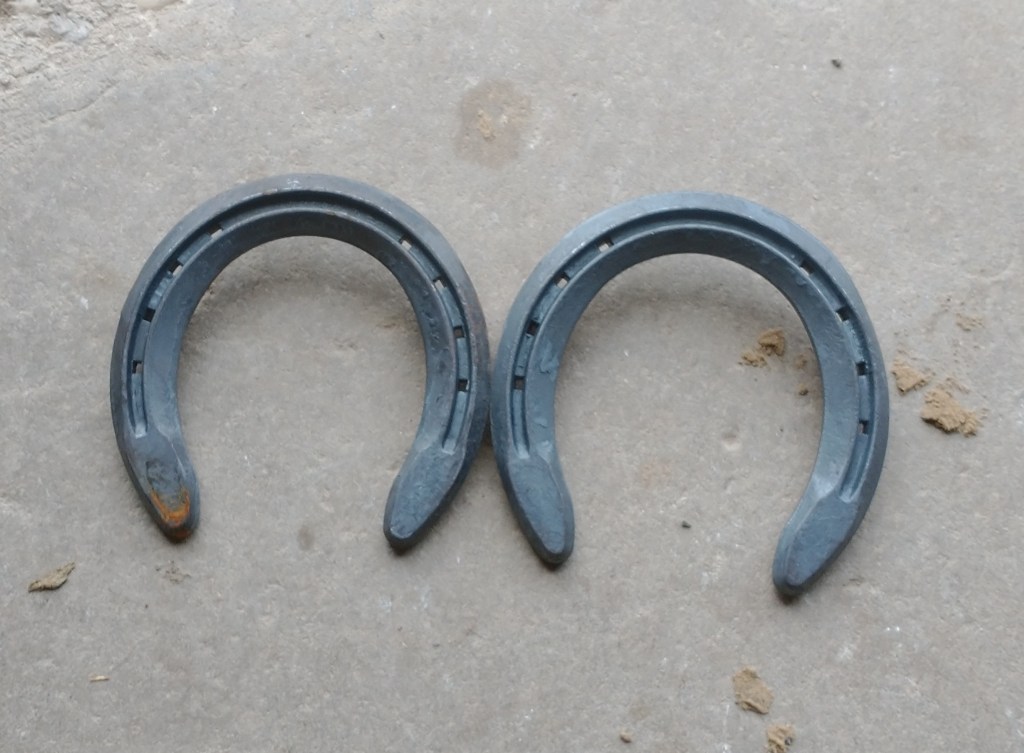
Fast forward 10 months, Mac’s feet have more sole depth, and his foot is bigger, rounder in shape with a much better palmer angle. This is much different than the long oval-shaped hoof, with very little sole depth and negative palmer angles that he arrived with. I am thankful that Patty has been conservative in her approach working to the end goal of a round foot with a correct palmer angle and boney column alignment. I feel incredibly fortunate to have Patty on Mac’s team heading to the Thoroughbred Makeover. She is and will remain a key player in his long-term performance career.
 Mac And Breeze
Leave a comment