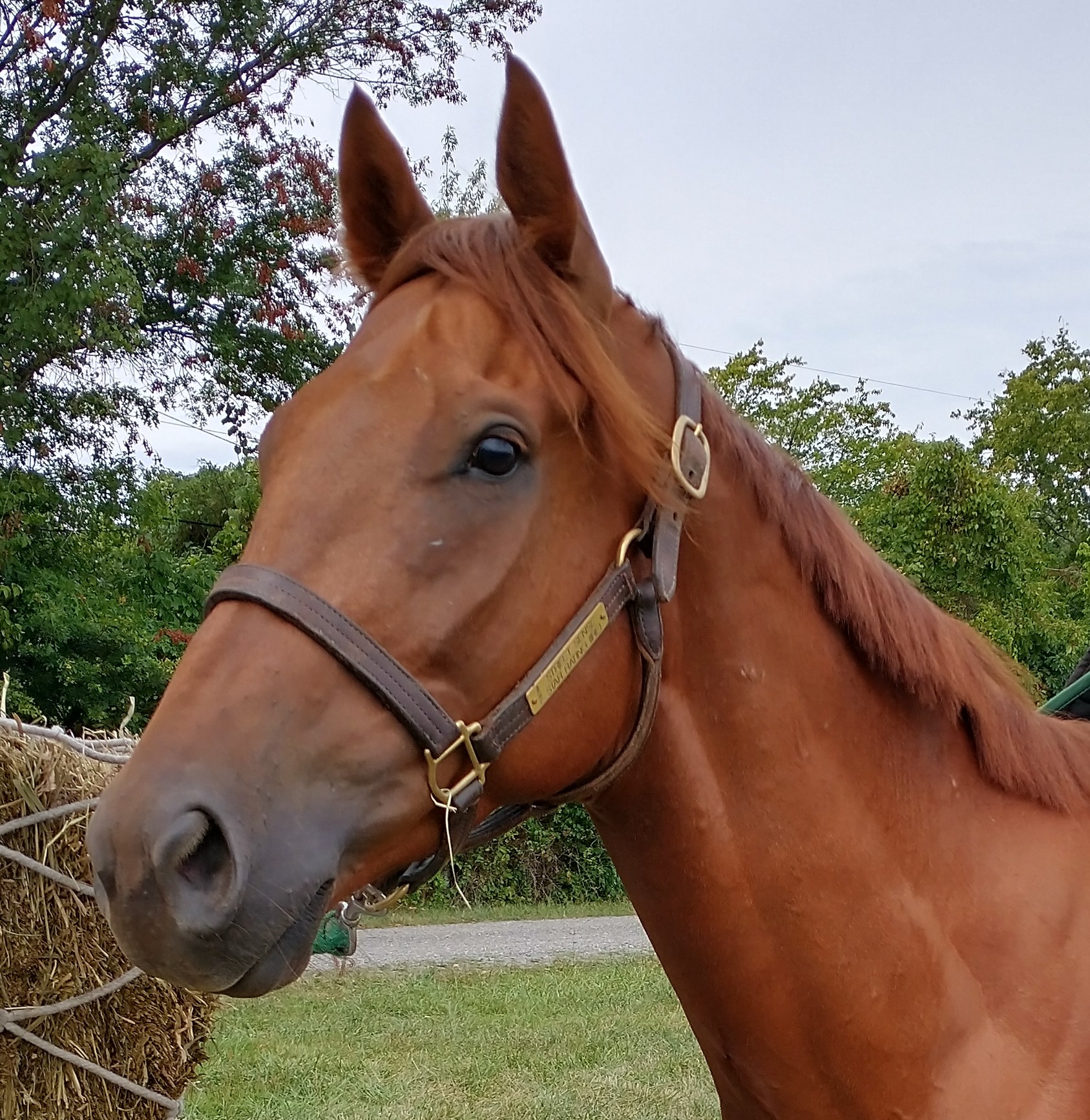
Motion analysis techniques have been used in veterinary research for the measurement of normal and pathological gait in horses since the late 19th century. Many of the early studies involved capturing moving images in 2 dimensions, and these techniques are still commonly used in field-based research and clinical practice.
In recent times, more advanced methods employed in human medicine have been adopted to measure forces and motion in 3 dimensions along with other aspects of locomotion in horses.
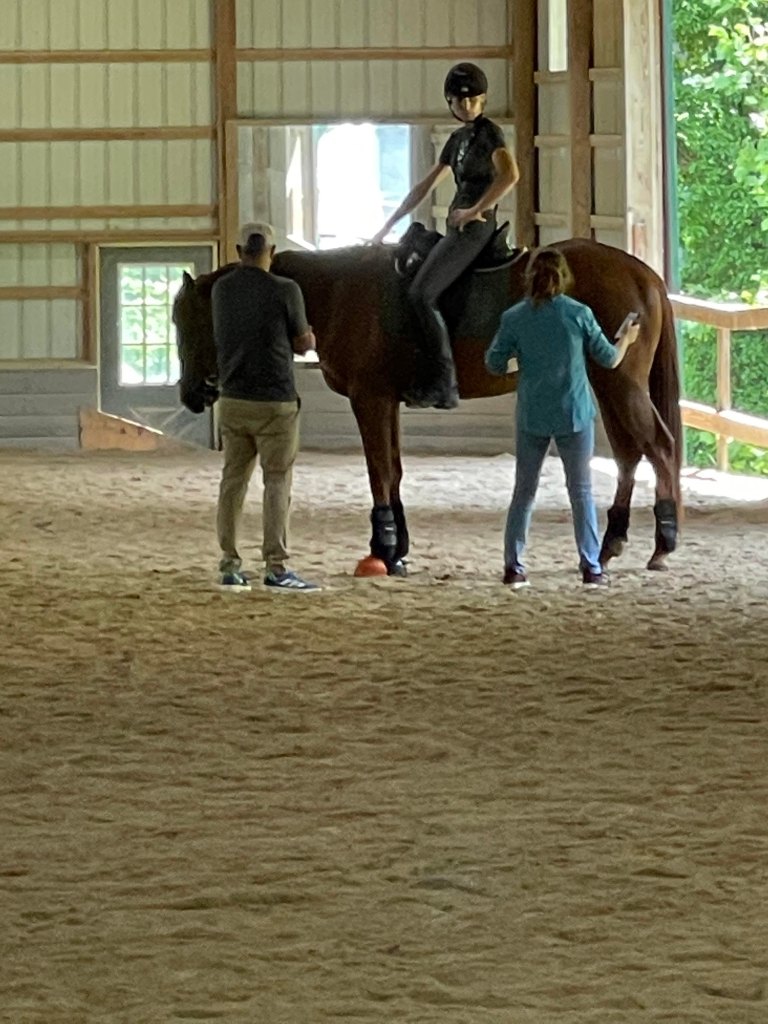
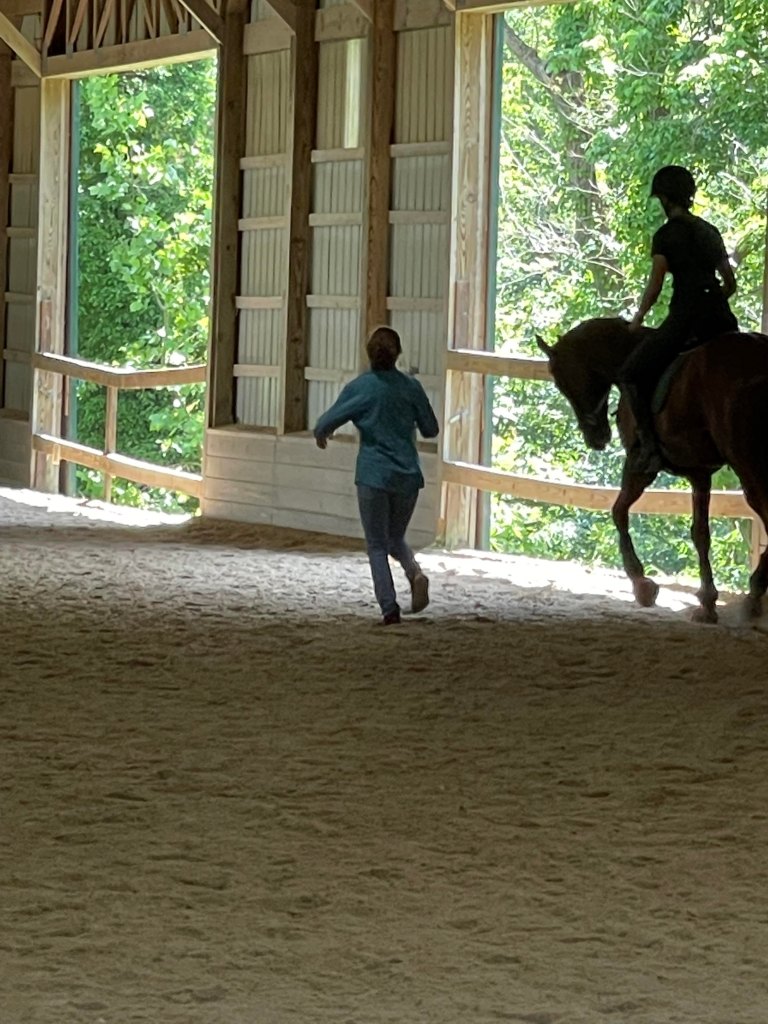
Mac and were I asked to take part in a groundbreaking study that has been used to evaluate the human athlete but is now being evaluated for its usefulness in the equine performance horse industry.
Vayu Technology has developed the Equilibrium System, a biomechanics platform driven by a combination of wearable sensors and AI software. This system evaluates and assesses body mechanics, muscle activation patterns, and performance-specific movements in order to better identify imbalances, physical limitations, and muscle weaknesses. These movements can be subtle and oftentimes, unable to be seen with the naked eye. This breakthrough will allow veterinarians to get to the root cause of the equine injury targeting rehab enabling the horse to get better, faster, or avoid injury altogether.
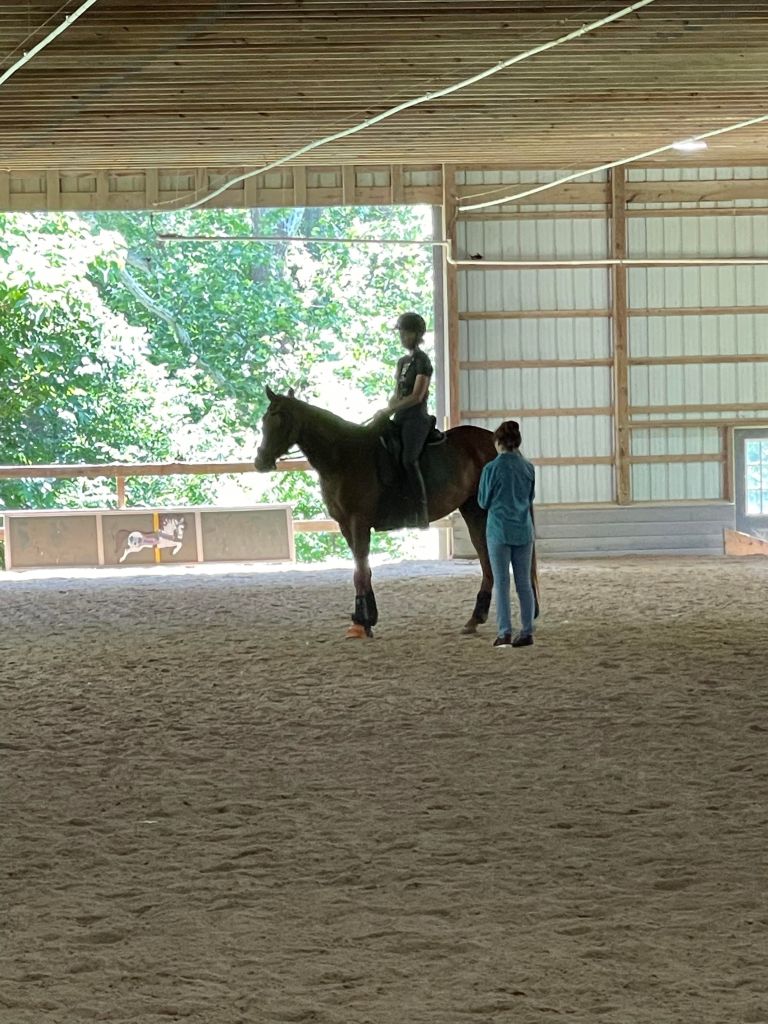
Prathamesh Mantri is heading up this project and is analyzing the human athlete but it is Dr. Cooper Williams who is helping to develop the platform for the equine athlete. I was initially asked to help because of my running background but it quickly merged into Mac and me.
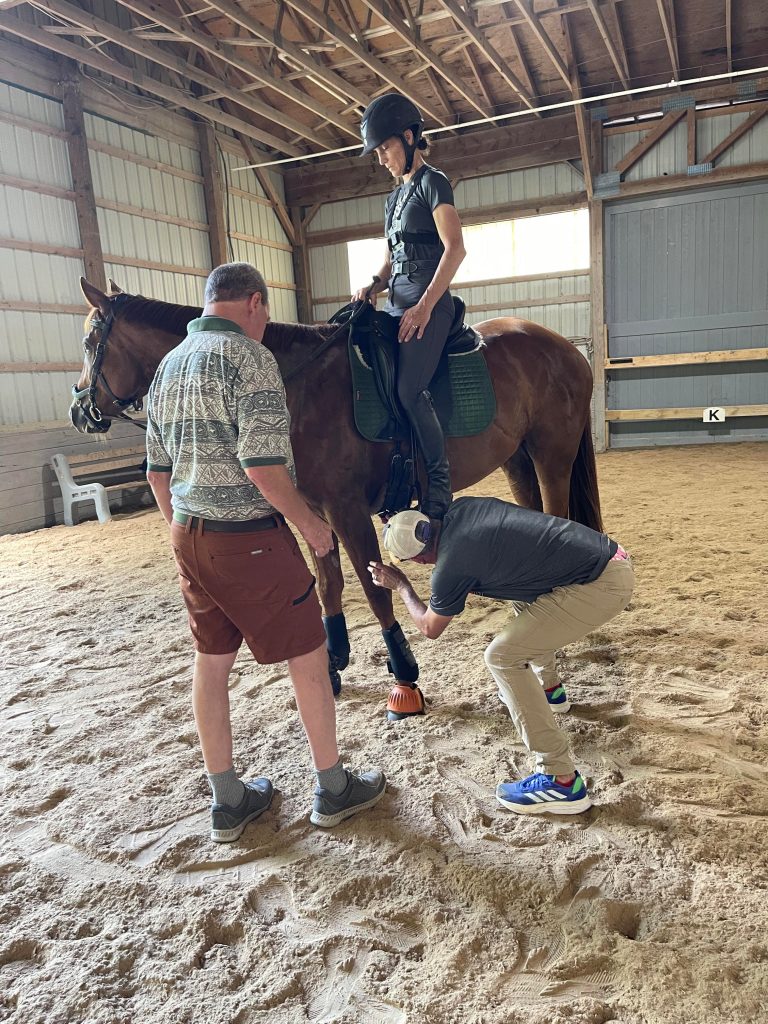
The results and ways to fix my problems were instant but the results for Mac will take a week or two. This was very interesting and Mac behaved perfectly for the whole process. A huge thank you to Equilibrium Vayu Tech for including Mac and me in this study. I can not wait till this technology is available and in use by veterinarians around the world.
 Mac And Breeze
Leave a comment